How Automation Helps Students Build a Productive Study Space
Many students spend more hours studying at home than in a classroom or library, yet home is often the last place designed for focus. Between roommates, notifications, and a kitchen table doubling as a desk, staying productive can feel like a daily battle. The good news is that a mix of small habits and smart home tools can turn any bedroom or apartment into a space built for deep work.
Before diving into the tools and techniques, it's worth acknowledging that even the best-organized study space won't solve every academic pressure point. Heavy course loads, tight deadlines, and multiple assignments due in the same week can pile up no matter how tidy your desk is. When that happens, getting outside academic support can make a real difference. A service like PaperWriter gives students access to experienced writers who can help with research, structuring an argument, or polishing a draft when time runs short. Instead of pulling an all-nighter or turning in rushed work, students can use that support to stay on top of deadlines while still learning from the process. The result is less last-minute panic and more room to focus on genuinely mastering the material, rather than just getting through it.
Why Home Productivity Is Harder Than It Looks
Home mixes rest and work in the same physical space, and that overlap creates friction. A bed a few feet away invites naps. A phone on the desk invites scrolling. Family members or roommates rarely treat a study session with the same respect as a scheduled work shift.
The Focus Tax of a Shared Space
Every distraction has a hidden cost. Researchers often describe this as the "focus tax": the time it takes to mentally return to a task after an interruption. A five-second glance at a notification can lead to several minutes of lost concentration. Multiply that by dozens of interruptions a day, and hours disappear without a single productive thought.
Comfort Versus Alertness
Home environments are optimized for comfort, not alertness. Soft couches, dim lighting, and constant snack access are great for relaxing but work against sustained concentration. Students need an environment that signals "this is work mode," even within a space built for leisure.
Designing a Home Study Zone That Works
Before adding any smart devices, the physical setup matters. A dedicated study zone, even a small desk in a corner, helps the brain associate that spot with focus rather than rest. Look for a location away from high-traffic areas like the kitchen or living room. Natural light is a bonus, but avoid facing a window that overlooks something distracting, like a busy street or a shared courtyard. A cluttered desk pulls attention in multiple directions. Keeping only current materials in view and storing everything else out of sight reduces the visual noise competing with your assignment.
How Smart Home Automation Supports Study Habits
Once the physical space is set, home automation can reinforce good habits automatically, without requiring willpower for every decision.
Smart Lighting for Better Focus
Lighting affects alertness more than most students realize. Cool, bright light in the 4000K to 5000K range mimics daylight and supports concentration, while warm, dim light signals the brain to wind down. Smart bulbs and lighting systems let students schedule a "study mode" that automatically switches to focus-friendly lighting at set times, then shifts to a warmer tone in the evening to support better sleep.
Noise Control and Sound Environments
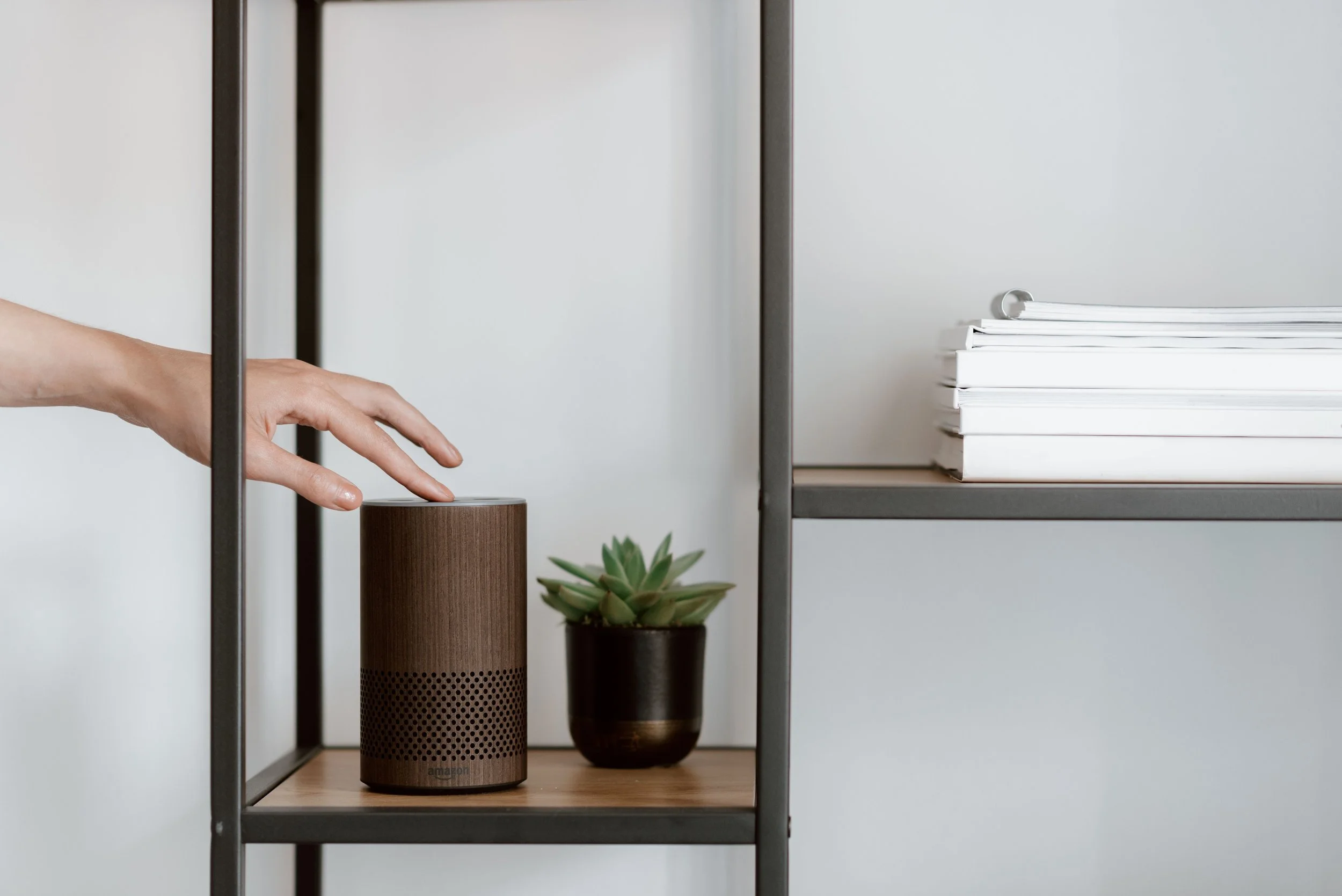
Smart speakers and noise-canceling systems can maintain a consistent sound environment, whether that means white noise, lo-fi playlists, or scheduled silence during deep work blocks. Some smart home setups can even detect noise spikes and trigger a gentle reminder or automatically lower speaker volume in shared spaces.
Temperature and Air Quality
Cognitive performance drops in rooms that are too warm or poorly ventilated. Smart thermostats can keep a study room at an optimal temperature, generally between 68 and 72 degrees Fahrenheit, and smart air purifiers can maintain air quality that supports sustained mental clarity.
Automated Do Not Disturb Modes
Perhaps the most direct productivity tool is an automated "focus mode." Smart home hubs can sync with a student's calendar to automatically silence smart speakers, dim non-essential lights, and even send a signal to smart displays in common areas, letting roommates or family know a study session is underway.
Building a Daily Routine Around Smart Tools
Automation works best when it supports a routine rather than replacing one. A simple automation, like a smart plug that turns on a desk lamp and starts a coffee maker, can act as a physical cue that the study day has begun. This kind of consistent trigger helps train the brain to shift into focus mode faster over time.
The Pomodoro technique pairs well with smart home timers. A smart display or speaker can announce breaks, dim the lights slightly during rest periods, and cue lighting back to full brightness when it's time to return to work. Ending the study day with an automated routine, dimming lights, lowering room temperature slightly, and playing calming sounds helps separate work time from rest time, which is especially important when both happen in the same room.
Balancing Technology With Simplicity
It's easy to over-invest in gadgets and end up managing the automation instead of studying. Students don't need a fully connected smart home to see benefits. A single smart plug, one adjustable smart bulb, or a basic smart speaker can deliver most of the productivity gains without a large budget or a complicated setup.
For students on a budget, prioritizing one or two automations, like lighting and sound, tends to offer the best return. These affect focus directly and are usually the cheapest smart home products to start with.
Too many apps and devices can create their own distraction. Choosing a single smart home ecosystem that connects easily with existing devices keeps the setup simple and reduces the mental overhead of managing multiple apps.
Conclusion
A productive home study space comes from a combination of intentional design and the right technology. Smart lighting, sound control, and automated routines can remove many of the small frictions that make studying at home harder than it needs to be. Combined with reliable academic support when workloads get heavy, students can build a home environment and a routine that actually works in their favor.