Designing a connected backyard: bridging smart technology and outdoor living
Today, a backyard serves as much more than just a place to grow grass and host occasional summer barbecues. It has rapidly evolved into a fully connected extension of the modern house. Roughly six in ten homeowners now expect their exterior spaces to feature the same level of digital convenience as their indoor living rooms, including automated climate control and outdoor theaters. Achieving this seamless transition requires careful planning, especially when blending delicate electronics with rugged natural elements.
Comparing manual switches to automated lighting networks
When illuminating a patio area, traditional manual switches remain straightforward and remarkably cheap to install. However, they lack flexibility and force you to physically adjust the brightness as the evening progresses. Conversely, smart LED systems allow you to set automatic schedules based on the local sunset and alter colors via a simple smartphone application. While the upfront cost for a smart lighting network is noticeably higher and demands a strong Wi-Fi connection outside, the long-term energy efficiency and enhanced home security usually make it the better investment.
Elevating water features with centralized control hubs
Managing a swimming area historically meant manually testing water chemistry and turning heavy physical valves to activate the heater. Now, digital control hubs handle these repetitive tasks automatically behind the scenes. Upgrading to a connected system allows you to adjust the water temperature from your office desk before you even drive home. If you want a setup that truly integrates with your smart home ecosystem, consulting experienced pool builders in Austin ensures your heating, deck lighting, and filtration run efficiently on one unified digital network. The primary disadvantage of these advanced systems is their reliance on your home internet, meaning a router failure temporarily limits your remote access.

Smart path lights add atmosphere to pool areas at night
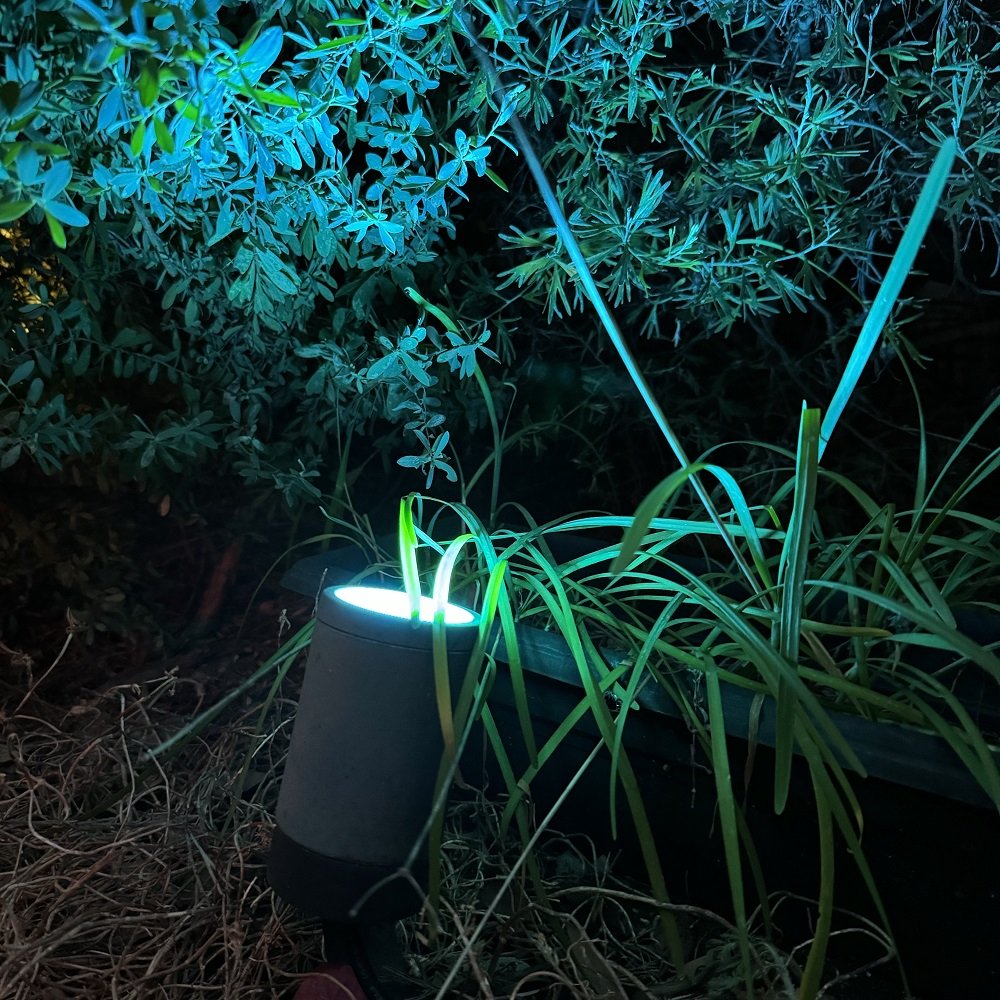
Smart spots can highlight feature plants and ornaments
Selecting the right foundation to safely conceal wiring
Running electrical cables across an open lawn is both a serious tripping hazard and a visual eyesore. Therefore, picking the right hardscaping material becomes a crucial decision for a tech-heavy yard. Poured concrete is incredibly durable, but fixing a broken underground power cable later requires messy and expensive cutting. A smarter alternative involves using modular stone pavers or customized overlays with accessible conduit channels. According to landscape architect David Miller, installing dedicated PVC conduits beneath flexible paving systems prevents future demolition headaches while keeping ugly power cords completely hidden from your guests.
Protecting expensive electronics from harsh weather conditions
Mounting televisions and immersive sound systems outside introduces the constant threat of moisture and extreme heat. Standard indoor screens will literally melt under direct summer sun and quickly short out during a mild, unexpected rainstorm. To avoid this, you must invest in weatherproof, marine-grade electronics built specifically for permanent exterior use. These specialized units feature sealed internal components and heavy anti-glare glass. They carry a steep financial premium compared to basic indoor models, but trying to save money by building a wooden box around a standard living room television almost always ends in a ruined device within the first year.
Transforming a basic yard into a high-tech oasis requires carefully balancing digital convenience with physical durability. By selecting adaptable surface materials and investing in properly rated outdoor equipment, you create an environment that responds effortlessly to your daily routine. Ultimately, a thoughtfully designed smart backyard provides a highly comfortable, entertaining retreat that adds lasting functional value to your entire property.