Understanding Indoor Air Quality and Climate Control
Indoor air quality has become a growing concern for homeowners across the country. Between dust, allergens, pet dander, and seasonal pollutants, the air we breathe inside our homes can significantly impact our health and comfort. At the same time, many people struggle to understand how different technologies work together to create a healthier living environment. The relationship between air purification and temperature control is more nuanced than most realize, and understanding this distinction can help you make smarter choices about which solutions actually address your specific needs.
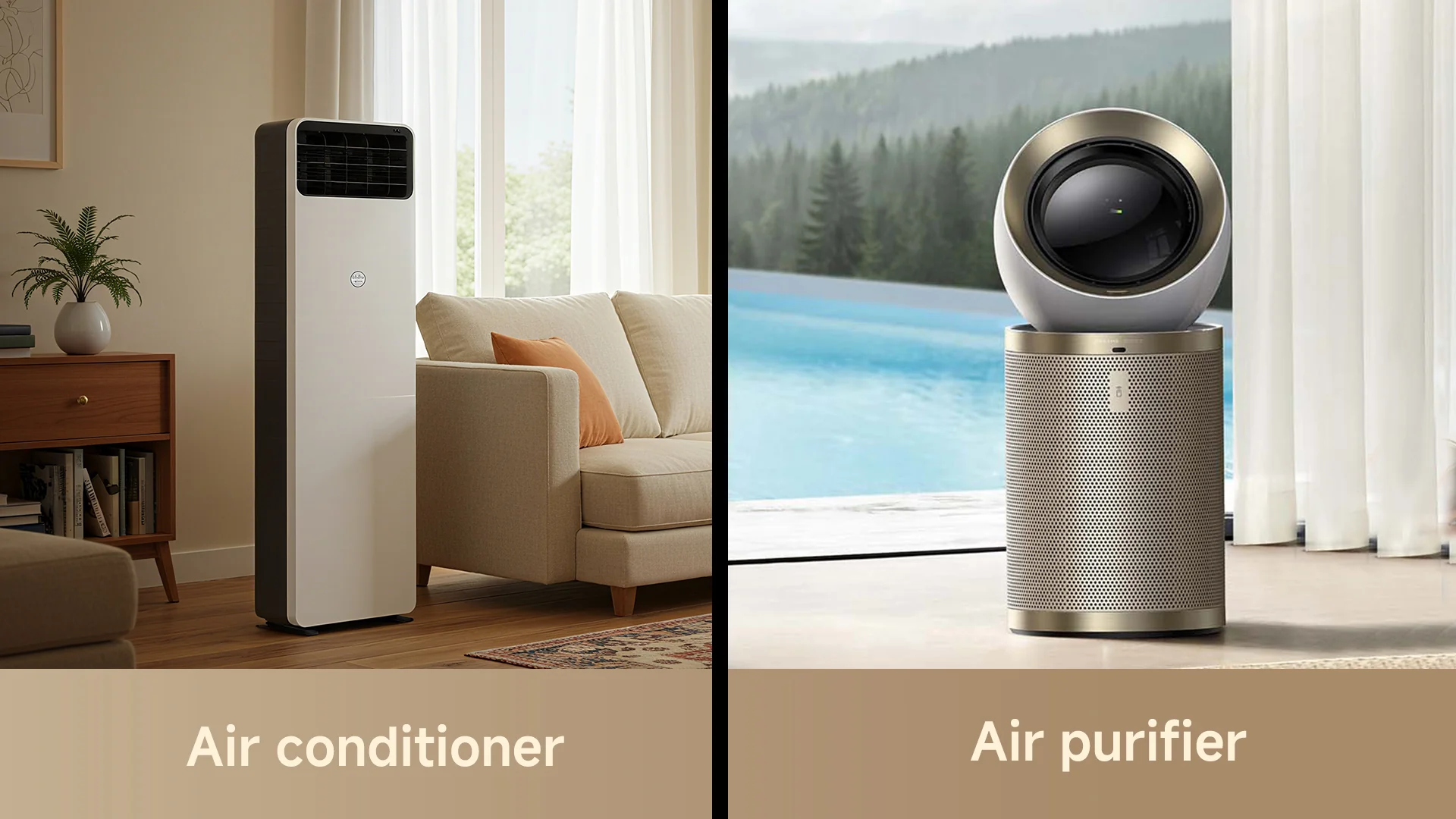
When evaluating options for improving your home's indoor environment, it's worth exploring how different technologies complement one another. Some people wonder about the differences between air purifier vs air conditioner approaches, since both affect the air we breathe indoors. However, these systems serve fundamentally different purposes, and knowing the distinction helps you invest in the right solution for your situation.
What Air Purifiers Actually Do
Air purifiers work by drawing air through a series of filters designed to capture particles and contaminants. The most effective models use multi-stage filtration systems that target different types of pollutants. A typical air purifier might include a pre-filter to catch larger particles like dust and hair, a HEPA filter to capture fine particulates, and an activated carbon layer to absorb odors and volatile organic compounds.
The key function of an air purifier is circulation and filtration, not temperature adjustment. These devices pull air from the room, pass it through their filtration system, and return clean air back into the space. This continuous cycling helps reduce airborne pollutants over time. For households with pets, allergies, or smokers, air purifiers can make a noticeable difference in how the air feels and smells. They work year-round and don't depend on outdoor conditions or seasonal changes.
How Air Conditioning Systems Function Differently
Air conditioning systems are primarily designed to regulate temperature and humidity levels in your home. While some AC units include basic filtration, their main job is cooling the air and removing moisture. An air conditioner cools indoor air by passing it over refrigerated coils, then circulates that cooled air back through your home's ductwork or vents.
Air conditioning systems are most useful during warm months when temperature control is the priority. They do provide some air circulation, which can help distribute filtered air throughout your space, but filtration is not their primary function. Many central AC systems use relatively basic filters that capture larger particles but don't address fine dust, allergens, or odors as effectively as dedicated air purification equipment.
Complementary Technologies for Year-Round Comfort
Rather than viewing air purification and temperature control as competing solutions, many homeowners benefit from using both. During summer, your air conditioning system handles temperature regulation while a separate air purifier focuses on removing pollutants from the air. In winter, when AC isn't running, an air purifier continues working to maintain indoor air quality regardless of outdoor temperature.
This layered approach addresses multiple aspects of indoor comfort. Temperature control keeps your home at a comfortable setting, while air purification ensures that the air you're breathing is as clean as possible. For families with children, elderly relatives, or anyone with respiratory sensitivities, this combination can provide meaningful health benefits throughout the year.
Choosing Based on Your Specific Needs
The right solution depends on your household's particular situation. If your primary concern is temperature regulation during warm months, an air conditioning system is essential. If you're dealing with allergies, pet odors, dust accumulation, or general air quality concerns, an air purifier addresses those issues directly. Many homes benefit from having both systems working together.
Consider factors like your climate, the size of your living space, whether anyone in your household has allergies or respiratory conditions, and whether you have pets. Homes in areas with high pollen counts, dust storms, or air quality issues may see greater benefits from dedicated air purification. Conversely, if you live in a region with extreme heat or humidity, temperature control becomes the priority. In most cases, a balanced approach that includes both technologies delivers the best results.
Maintenance and Long-Term Performance
Both air purifiers and air conditioning systems require regular maintenance to function effectively. Air purifiers need filter replacements on a schedule that depends on usage and environmental conditions. Most quality filters last several months before needing replacement, though homes with pets or high dust levels may need more frequent changes.
Air conditioning systems require professional servicing, typically once a year before the cooling season begins. This includes checking refrigerant levels, cleaning coils, and ensuring the system operates efficiently. Neglecting maintenance on either system reduces effectiveness and can increase energy costs.
Understanding the maintenance requirements upfront helps you plan for the ongoing costs of keeping your home's air quality and temperature at optimal levels. Quality equipment from reputable manufacturers often includes clear guidance on filter replacement schedules and service intervals.
Conclusion
Indoor air quality and temperature control are both important aspects of home comfort, but they serve different functions. Air purifiers excel at removing pollutants and improving air quality year-round, while air conditioning systems manage temperature and humidity during warm months. Rather than choosing one or the other, most households benefit from understanding how these technologies complement each other. By evaluating your specific needs, climate, and household circumstances, you can create a comprehensive approach to indoor comfort that addresses both temperature regulation and air quality. This thoughtful combination ensures your home remains a healthy, comfortable environment throughout the year.