Why Robot Vacuums Have Finally Become Worth the Investment
Robot vacuums had a difficult decade. The promise was compelling from the start, a device that cleaned your floors while you got on with other things, but the reality of early models was consistently underwhelming enough that a lot of households tried one, found it inadequate, and moved on. They got stuck under furniture. They missed corners. They ran over things they should have gone around. The mop function, where it existed, left floors wetter than they were clean. And the dustbin was so small it needed emptying every second day, which defeated a significant part of the point.
That reputation stuck around longer than it deserved to. The technology improved considerably over the past several years, and the category that most people wrote off as a gimmick has quietly become one of the more genuinely useful home appliances available. Understanding what changed, and what to look for in a modern unit, is what separates a purchase that transforms daily home maintenance from one that ends up in a cupboard after three months.
What Made Early Robot Vacuums Disappointing
The problems with first and second generation robot vacuums fell into a few consistent categories, and most people who tried one experienced several of them simultaneously.
Suction was the first limitation. Early motors lacked the power to lift anything other than surface dust and fine particles, which meant carpets were superficially cleaned at best and anything heavier than a crumb was left behind. The gap between what a robot vacuum picked up and what a manual vacuum would have collected from the same floor was visible, and for households with pets, children, or any significant foot traffic, that gap made the robot vacuum feel like a supplement rather than a replacement.
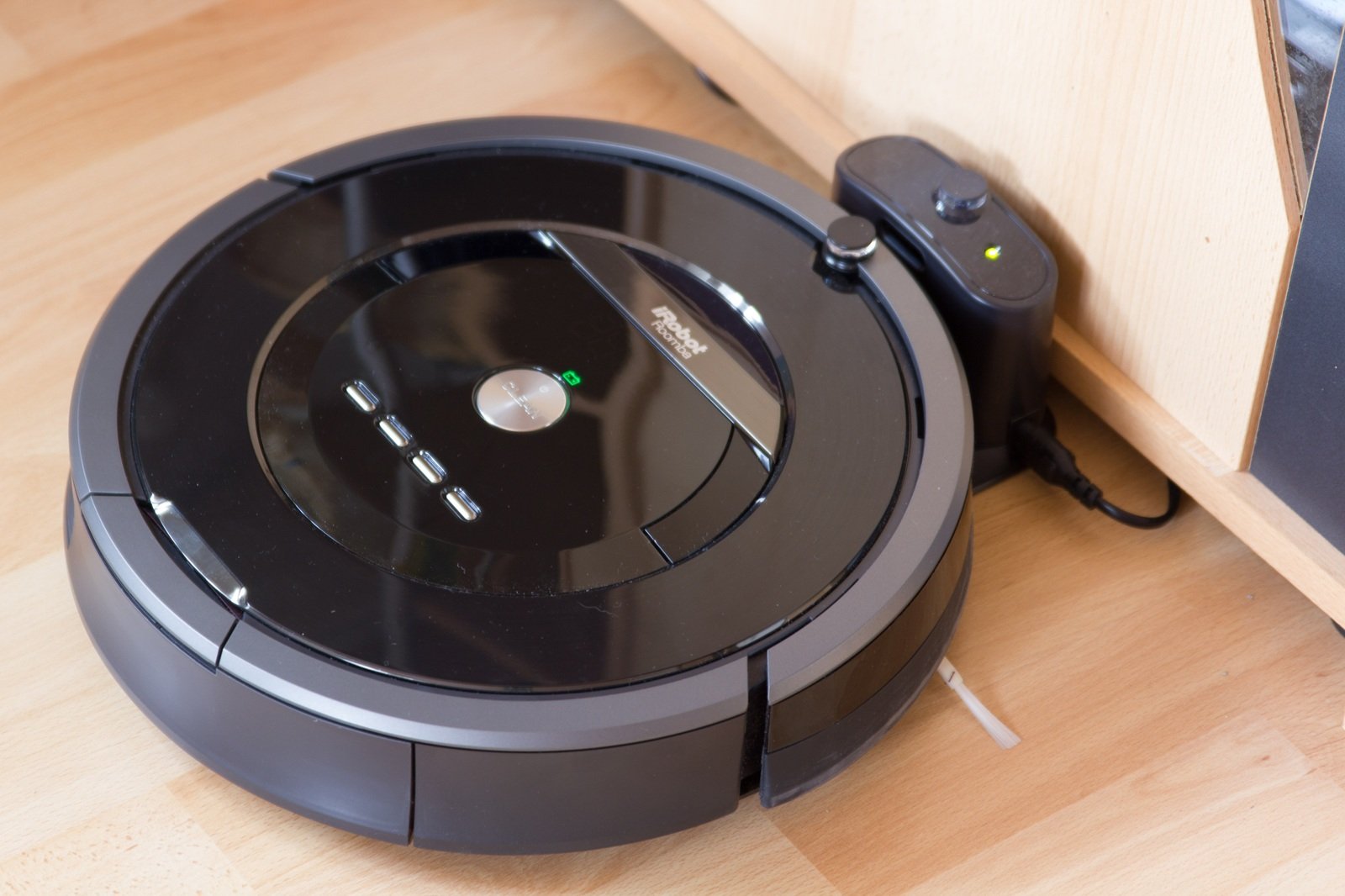
iRobot Roomba 880
Navigation was the second problem. Early units used random bounce patterns rather than systematic mapping, which meant coverage was inconsistent and the same areas were often cleaned multiple times while others were missed entirely. Furniture legs were obstacles to be navigated around by trial and error, obstacles on the floor were problems to get stuck on, and stairs were a genuine hazard that some units solved elegantly and others solved by falling down them.
The mop function, when it was included, was the third and most consistent disappointment. Dragging a damp pad across a floor doesn't clean it, it moves dirt around, and early mop robot vacuums did exactly that. The pad had no mechanism for cleaning itself between passes, which meant it was spreading increasingly dirty water across the floor rather than lifting anything off it.
The Technology That Changed Everything
The advances that have made the current generation of robot vacuums genuinely compelling address each of the previous generation's failure points directly, and the cumulative effect is a device that performs well enough to actually replace meaningful manual cleaning time rather than simply supplementing it.
Suction power has increased dramatically. Current high-end units operate at suction levels that handle carpet pile properly, lift pet hair without tangling, and deal with the kinds of debris that everyday household life actually produces rather than just the fine particles that earlier motors could manage. The difference is audible and visible in the results.
AI-powered navigation has replaced random bounce patterns. Modern units map the home, plan systematic cleaning routes, identify and remember obstacles, and can be directed to specific rooms or areas through an app. The coverage is consistent and the device behaves intelligently around the furniture and objects that earlier units treated as random obstacles.

Eufy X9 Pro and cleaning station
Self-emptying bases changed the maintenance equation significantly. A robot vacuum that empties itself into a larger base station can operate for weeks without requiring the user to do anything, which is what the category always promised and what early small-dustbin units never delivered. The base station holds enough capacity that emptying it becomes a periodic rather than daily task.
TheNarwal Freo X Ultra represents what this technology convergence looks like in a single device. The self-cleaning mop system washes and dries the mop pads automatically between passes, which addresses the fundamental problem of dirty mop pads spreading contamination rather than removing it. The AI DirtSense technology adjusts cleaning intensity based on what it detects on the surface, which means it isn't applying the same cleaning approach to a lightly dusty hallway and a heavily trafficked kitchen floor. The result is a device that does what earlier robot vacuums promised without requiring the constant intervention that made those promises feel hollow.
What a Modern Robot Vacuum Actually Does in a Home
The realistic picture of living with a capable robot vacuum is different from both the enthusiastic marketing version and the cynical writeoff version, and it's worth understanding what the device actually changes before deciding whether the investment makes sense.
What changes most noticeably is the baseline cleanliness of the floors between manual cleaning sessions. A robot vacuum running daily, or even every second day, keeps the floor at a level that means manual vacuuming happens because the floor needs a deeper clean rather than because it's visibly dirty. For households with pets, children, or significant foot traffic, this shift in baseline is genuinely meaningful.
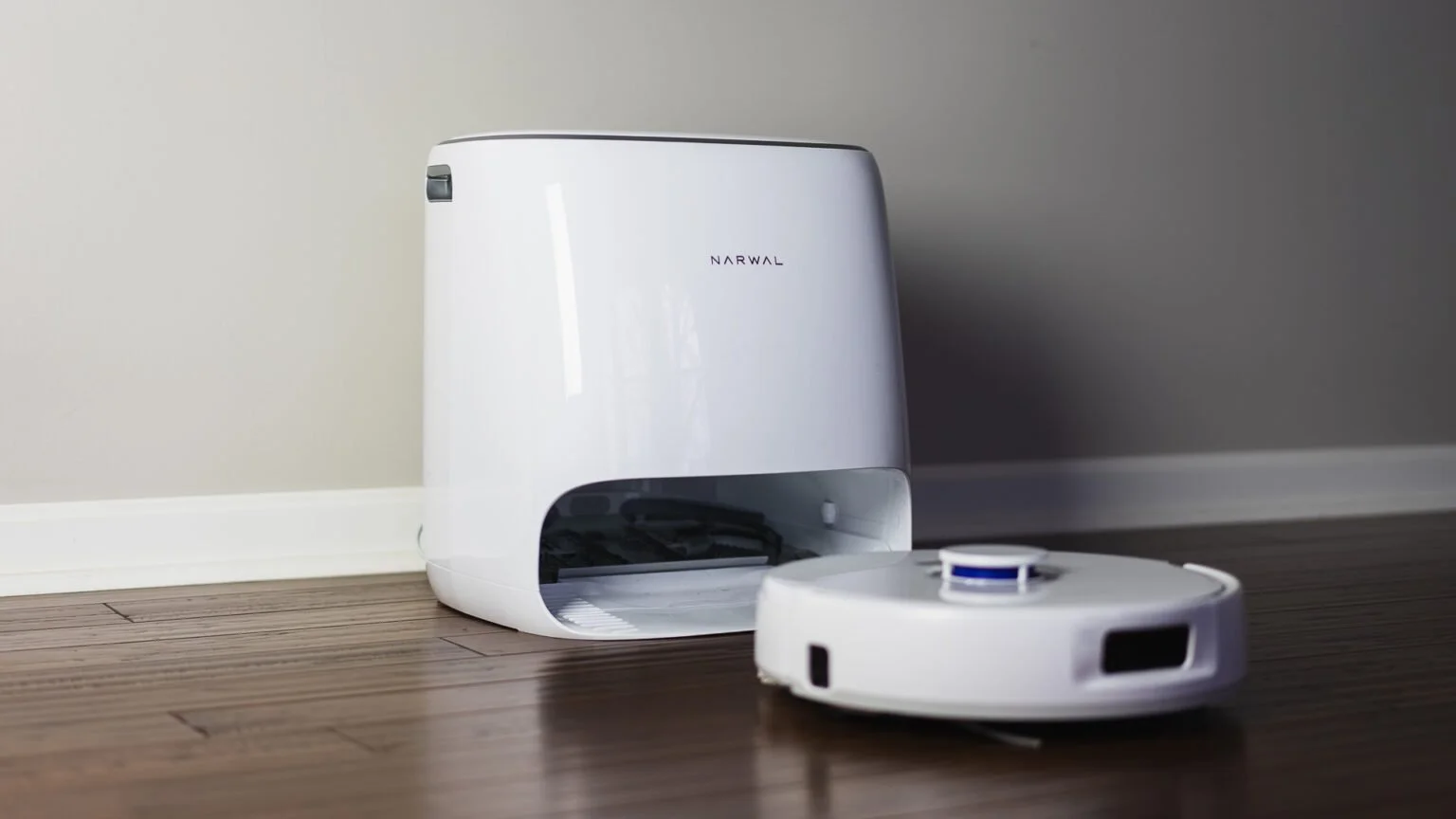
Narwal Freo X
What doesn't change is the need for occasional manual cleaning. Robot vacuums don't reach the edges of rooms as effectively as a manual vacuum does. They don't clean stairs. They don't move furniture. And they perform better in uncluttered spaces than in rooms where things are regularly left on the floor. A household that expects a robot vacuum to replace all manual cleaning will be disappointed. A household that expects it to dramatically reduce the frequency and burden of manual cleaning will be satisfied.
The mop function in current generation devices like the Freo X Ultra changes the floor maintenance picture specifically for hard floors. Auto-washing mop pads that are cleaned between passes provide a genuine mopping result rather than the smearing that earlier units produced, which means hard floor maintenance between full manual mop sessions is actually addressed rather than simulated.
What to Look for Before Buying
The features worth prioritising when evaluating robot vacuums at a serious price point are the ones that determine how much ongoing involvement the device requires, because the less maintenance the device needs, the more consistently it gets used and the more value it delivers.
Self-emptying is the feature that most changes the ownership experience. A device that requires daily emptying gets used when the owner remembers to empty it. A device that empties itself into a large-capacity base runs on the schedule it's set to rather than the schedule its owner manages.
Mop auto-washing is the equivalent feature for hard floor maintenance. A mop system that cleans itself between passes delivers actual cleaning results rather than floor smearing, and removes the need to manually clean or replace mop pads after every session.
Obstacle avoidance quality determines how well the device operates in a real home rather than a demonstration environment. Tri-laser obstacle avoidance, as used in current generation devices, identifies and navigates around objects with considerably more reliability than camera-only systems, which can struggle in low-light conditions.
For anyone ready to explore what current generation technology actually delivers, browsing the Narwal Freo X Ultra specifications alongside other units in the same price bracket gives a clearer sense of how the features that matter in daily use compare across the options available, rather than choosing based on headline suction figures or aesthetic preferences alone.
Why the Timing Is Right
The robot vacuum category has reached the point where the technology genuinely delivers on what it always promised, and the purchase decision for most households has shifted from whether the technology works to whether the specific device chosen does what the household actually needs it to do.
A capable modern robot vacuum running consistently reduces the cleaning burden on everyone in the household, maintains floors at a higher baseline cleanliness between manual sessions, and does so with considerably less ongoing involvement than the devices that gave the category its mixed reputation. That's a meaningful change in what daily home maintenance looks and feels like, and for households where floor cleaning consumes significant time and effort, it's a change that justifies the investment comfortably.