Monitoring Remote, Hybrid, and On-Site Teams: Why One Size Never Fits All
The modern workplace is no longer confined to a single location. Many organizations now manage a mix of remote, hybrid, and on-site employees—each with different workflows, expectations, and productivity challenges. As a result, companies increasingly rely on Employee monitoring software to maintain visibility and accountability. However, applying the same monitoring approach across all team types rarely works.
Different Work Models, Different Needs
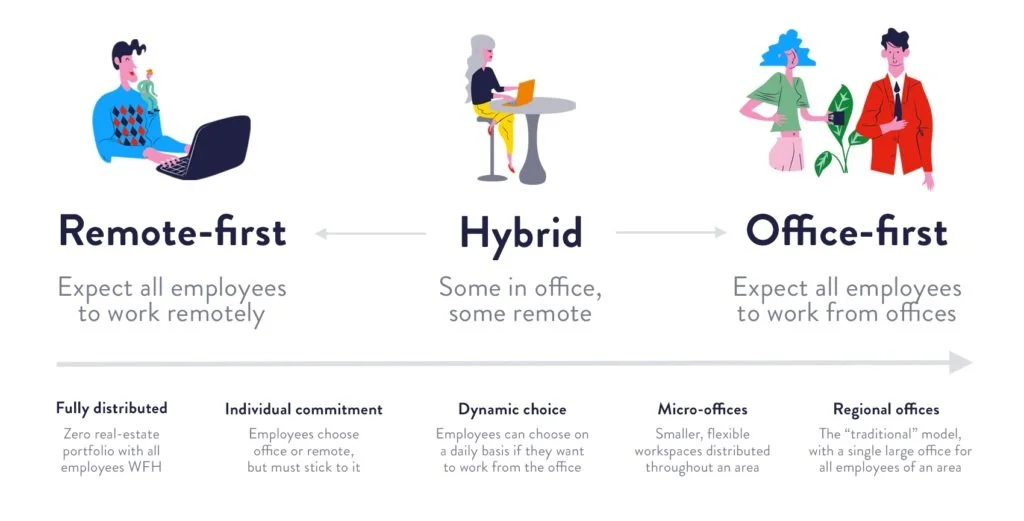
Remote teams operate with a high degree of autonomy. Productivity is often outcome-driven rather than time-based, making traditional supervision ineffective. On-site teams, by contrast, benefit from physical presence, real-time collaboration, and direct oversight. Hybrid teams fall somewhere in between, blending flexible schedules with in-office structure.
Because these work models function differently, they require tailored monitoring strategies. A rigid, one-size-fits-all approach risks misinterpreting productivity and damaging trust.
Monitoring Remote Teams
For remote employees, visibility is the biggest challenge. Managers cannot rely on physical cues to assess engagement or workload. In this context, Employee monitoring software is most effective when it focuses on activity patterns, task completion, and workload distribution rather than constant surveillance.
Remote teams thrive when monitoring supports autonomy. Tools that emphasize productivity trends and outcomes help managers identify bottlenecks while allowing employees to work asynchronously and independently.
Monitoring On-Site Teams
On-site teams already benefit from natural accountability through physical presence. Over-monitoring in this environment can feel redundant or intrusive. Instead, monitoring software should complement existing workflows by providing high-level insights into efficiency, process optimization, and resource allocation.
For on-site roles, Employee monitoring software is often most valuable at the team or department level rather than individual tracking.
Monitoring Hybrid Teams
Hybrid teams are the most complex to manage. Employees may work remotely part of the week and on-site the rest, creating inconsistent data patterns. Monitoring strategies must account for flexibility while ensuring fairness and consistency.
Hybrid environments benefit from configurable Employee monitoring software that adapts to location, role, and schedule—ensuring that employees are evaluated based on impact, not visibility.
Why Customization Matters
When organizations fail to adapt monitoring strategies to different work models, they risk disengagement, mistrust, and inaccurate performance assessments. The most effective Employee monitoring software is flexible, transparent, and aligned with how work actually gets done.
In a diverse workplace, productivity is not about uniform oversight—it’s about intelligent, context-aware monitoring.
The Role of AI and Predictive Insights in Transparent Monitoring
As Employee monitoring software continues to evolve, artificial intelligence is reshaping how workplace data is collected and interpreted. Instead of recording every action, AI-driven systems focus on identifying patterns, trends, and risks—without constant human oversight.
Predictive analytics allows organizations to spot potential issues early, such as workload imbalances, declining engagement, or collaboration breakdowns. Importantly, this shift reduces the need for invasive monitoring practices. Rather than watching employees in real time, AI analyzes anonymized and aggregated data to provide actionable insights.
In a transparency-first future, AI will act as a guide rather than a watchdog. Employees are more likely to accept monitoring when it helps prevent burnout, supports fair workload distribution, and improves team performance. Employee monitoring software powered by AI can deliver value without crossing ethical boundaries—provided it is implemented with clear rules and accountability.
Conclusion
The future of employee monitoring is not about watching more—it is about understanding better. As workplaces become more flexible and employee expectations continue to rise, surveillance-heavy approaches are losing relevance and acceptance.
Transparency, ethical data use, and clear communication are redefining how organizations approach productivity tracking. Modern Employee monitoring software is moving away from control-based oversight and toward insight-driven decision-making that benefits both employers and employees.
Surveillance may still exist in limited, purpose-specific scenarios, but it will no longer define workplace monitoring. The organizations that succeed will be those that treat monitoring as a collaborative tool—one that builds trust, supports well-being, and aligns performance with purpose.
FAQ: The Future of Employee Monitoring Software
Will employee surveillance completely disappear in the future?
Surveillance is unlikely to disappear entirely, especially in regulated industries or security-sensitive roles. However, its use will become more limited, purpose-driven, and transparent. Employee monitoring software is shifting toward insight-based tracking rather than constant observation.
How does transparency improve employee acceptance of monitoring?
Transparency builds trust. When employees understand what data is collected, why it is needed, and how it benefits them, monitoring feels supportive rather than intrusive. Clear communication is a key factor in successful Employee monitoring software adoption.
What role does AI play in modern employee monitoring?
AI helps analyze productivity trends, workload patterns, and engagement signals without relying on invasive tracking. In the future, Employee monitoring software will increasingly use AI to provide predictive insights instead of real-time surveillance.