Motorized Patio Doors That Keep Daily Life Moving
Patio doors do more than connect a living room to a backyard. They manage light, noise, airflow, security, and how smooth a space feels in day-to-day routines. Motorized options add another layer by reducing effort and improving consistency, especially when the door is used often. The smartest setups focus on quiet operation, clean seals, and controls that feel predictable on a phone or wall switch.
These systems can be a big investment, so it’s important to have some understanding of how these types of doors work and what your fundamental requirements are. This is especially the case if you want to have good functional control over the doors through your smart home. Let’s take a look at the key considerations you’ll need to be aware of when shopping for one of these solutions.
What Motorized Operation Changes in Real Use
Motorized patio doors matter most in the moments that happen a hundred times a month: carrying groceries, moving furniture, letting pets in and out, or handling a door when hands are busy. A good system opens and closes with steady speed, keeps alignment true, and avoids the “shove and tug” cycle that can show up over time with heavier panels. Control design also becomes part of the experience. The best setups keep the command simple, confirm the door state clearly, and make stopping or reversing intuitive if something is in the way. That’s where safety sensors and smooth drive behavior earn trust because the door feels responsive rather than stubborn.
For homeowners comparing options, it helps when the product page lays out the door concept clearly, and the details for modern main windows and doors sit in one place, so the focus stays on fit, function, and daily practicality instead of guesswork. Motorized doors should also support consistent closing pressure, because a door that “almost closes” can quietly leak air and create noise problems. The goal is a door that behaves the same way every time, even after thousands of cycles.
The Hardware Decisions That Affect Reliability
A patio door can look premium and still disappoint if the mechanical fundamentals are weak. Panel weight, track design, and roller quality shape how stable the motion feels, while frame stiffness and corner integrity shape how well the system holds alignment through seasons. Motorized operation raises the bar because the drive system will expose any binding or drag. When the track is clean, the rollers glide, and the frame stays square, the motor doesn’t need to fight the door. That reduces wear and keeps noise lower. It also supports tighter seals because the panels can land in the same position consistently, which helps long-term performance in wind and rain.
Drive systems and safety sensors
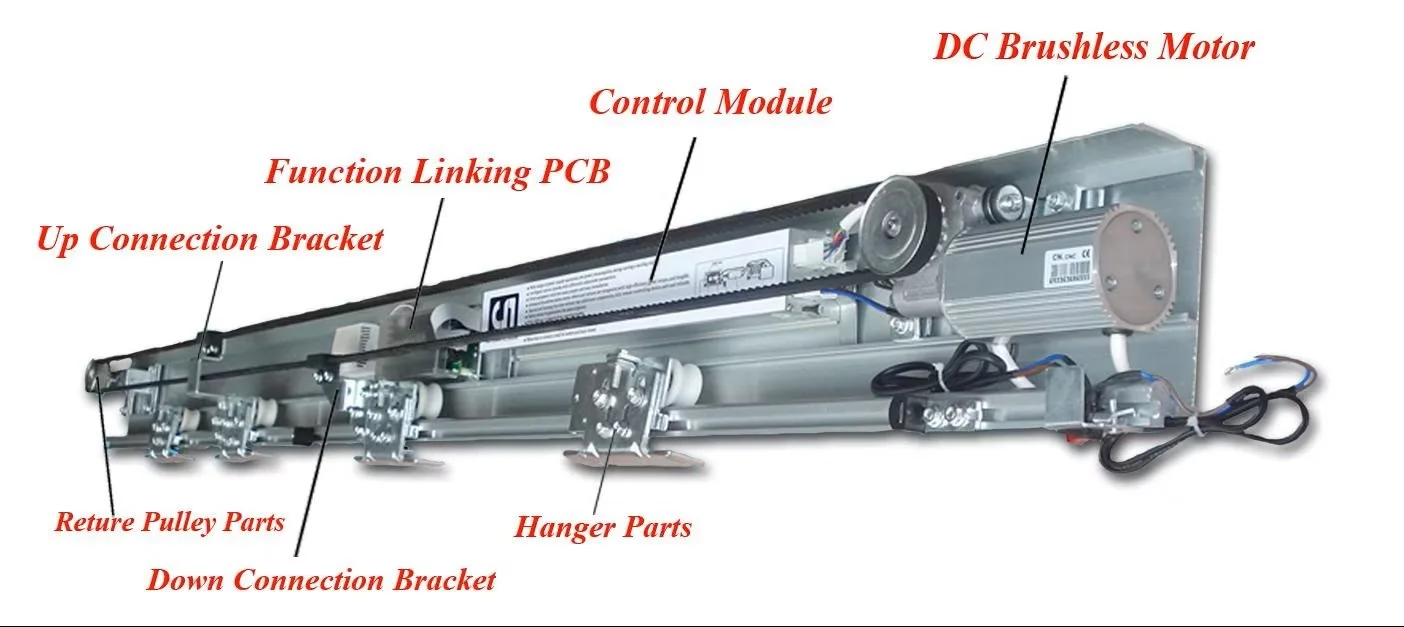
A motorized setup should include a drive designed for repeated cycles and real-world conditions, plus sensors that support safe operation. The safety layer is not just for dramatic edge cases. It protects against small everyday issues, including a shoe near the threshold, a pet passing through, or a panel meeting unexpected resistance. A good sensor strategy supports smooth reversing and clear feedback, so the user knows the door responded on purpose. Controls should also be predictable across devices, whether the command comes from a wall control, remote, or app. When the hardware and safety system work together, the door feels confident and steady rather than “powered but fragile.”
Energy Efficiency and Weather Control That Actually Shows Up
Patio doors sit on a home’s exterior envelope, so the build affects comfort directly. The real performance story is driven by glass configuration, edge sealing, and how well the frame and sash manage airflow. A motorized door that closes consistently can help maintain sealing pressure, which supports energy efficiency over time. That matters in climates where temperature swings and wind exposure are part of normal life. The most common comfort complaints come from air leakage at the meeting rails or threshold and from inconsistent closure that leaves a tiny gap. A well-tuned system aims to avoid those issues by keeping alignment stable and closure behavior repeatable.
Security and Smart Control Without the Stress
Security is a mix of physical design and user clarity. Strong locking points, a stable frame, and well-aligned panels support resistance against forced entry, but user confidence often comes from visibility and control. Smart control can help when it’s designed with restraint: clear status, reliable locking behavior, and predictable alerts that don’t spam. The best approach is to keep the system easy to verify at a glance, with clear “closed” and “locked” states and a straightforward way to check the door before leaving home. Motorized doors should also support controlled motion and safe stopping behavior, because security and safety overlap when a system can move on command.
Clear door state (open, closed, locked) displayed consistently
Reliable stop and reverse behavior when resistance is detected
Locking hardware that stays aligned through frequent use
Discreet controls that work without complicated steps
Optional automation that respects user intent and timing
When smart features are implemented cleanly, they reduce friction rather than adding it. The goal is fewer “Did it close?” moments and fewer reasons to walk back across the house to double-check. Security feels better when the system stays calm and predictable, so the door becomes a dependable part of the home routine.
Installation Planning and Long-Term Care
Patio doors perform best when installation treats the opening as a system: framing, leveling, shimming, sealing, and finishing all affect how the door behaves later. A motorized unit raises the need for precision because even small misalignment can create drag that increases wear. Threshold setup matters for both comfort and accessibility, and the surrounding weather sealing needs to be done carefully to prevent drafts and moisture issues. It also helps to plan for power routing in a clean, safe way that doesn’t create a messy look or maintenance headache later. A tidy installation supports smooth operation, quieter movement, and more consistent closure.
Long-term care should be simple. Tracks should be kept clear, rollers and moving parts should be checked for smooth behavior, and seals should be inspected during seasonal changes. If operation starts sounding rough or movement becomes uneven, addressing it early prevents bigger problems. Motorized doors are at their best when they feel boring in the best way: reliable, consistent, and easy to manage without constant adjustments.