Bringing an EV Home? Managing Smart Energy Loads for Maximum Efficiency
Over 70% of electric car owners in Australia admit their fuel bills have reduced to 60% when they switched from gas-powered vehicles to electric models. They say driving an EV is four times cheaper per kilometer, even during peak hours, according to areport by the Electric Vehicle Council.EVs are driving the smart home ideal, with their ability to communicate and supply power to appliances through smart power integrations. However, charging a car while using a water heater, air conditioning system, and other energy-intensive home appliances can potentially overload your home’s grid connection.
This doesn’t mean you should abandon home charging or make expensive upgrades to your electrical infrastructure to accommodate an EV. The secret is to learn how to manage smart energy loads. It will help you balance car charging with daily electricity needs to support efficiency at home and guarantee mobility. Managing your energy loads also helps safeguard grid stability and control costs, particularly during peak hours when rates are high.
Calculate Your Home’s Electricity Capacity
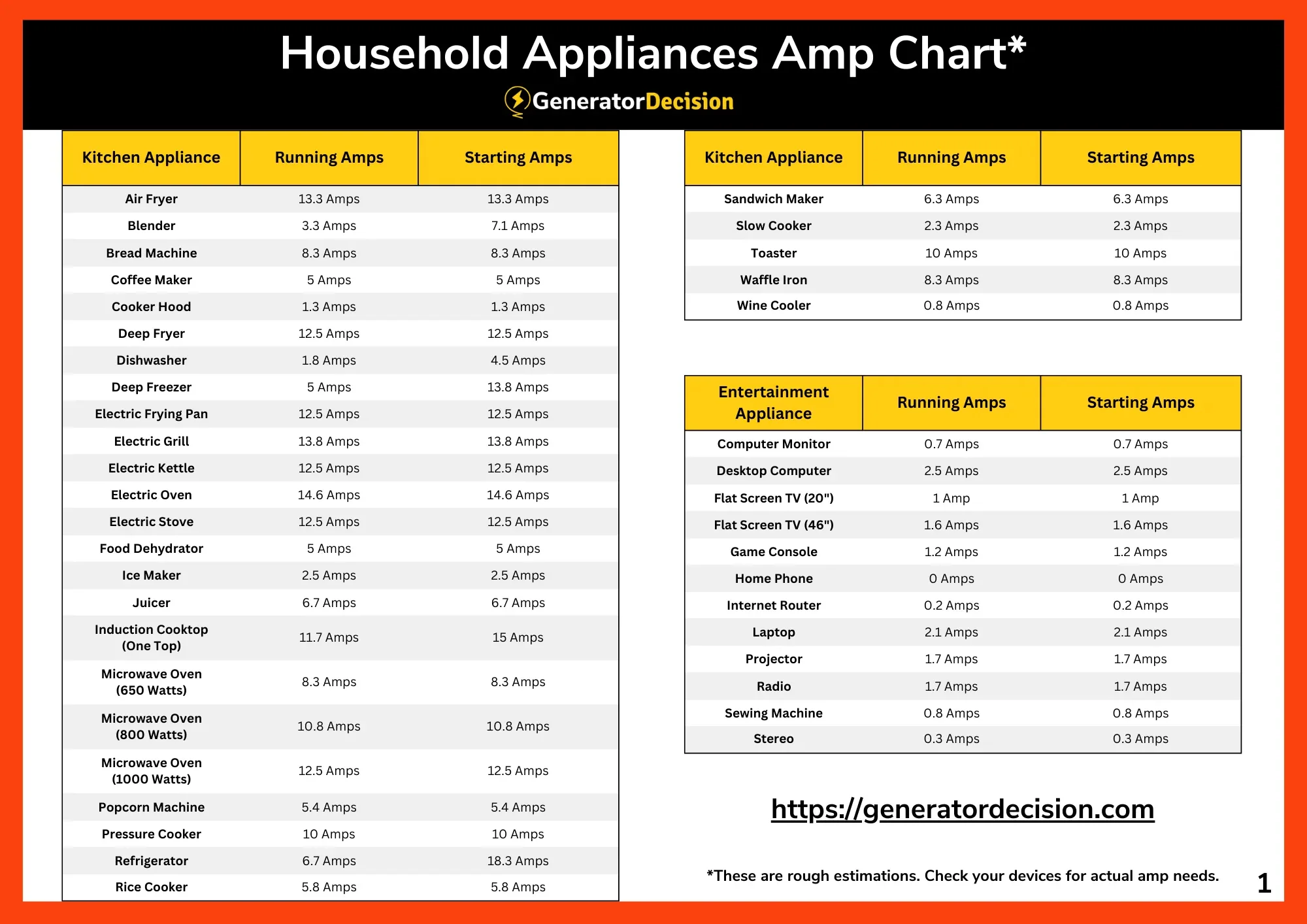
Before introducing a high-draw automobile, know your home’s current electrical capacity. Start by reviewing your energy use to determine which appliances consume the most power. Your monthly electricity bill can tell whether it’s the water heater, oven, pool equipment, washing machine, or HVAC system. When each appliance operates simultaneously with an EV charger, the combined load can exceed your property’s electricity limit. In many cases you can do this with cheap energy monitoring smart plugs, like those from Tapo.
Unless you’re an experienced electrician, contact a professional to help you calculate the electrical capacity. Experts check the service panel, circuits, and wiring to determine if a dedicated circuit, an electrical infrastructure upgrade, or a load management system is required before installing a car charger. This assessment is invaluable for individuals purchasing or moving cars from another region or country using vehicle shipping and delivery services. When you’re aware of the load your home can handle, you can easily weigh the car’s charging requirements before buying and booking transit services. Doing so can save you the burden of discovering that your existing electrical system can’t support regular charging.
Leverage Dynamic Load Management and Renewable Energy
With multiple appliances relying on the same electrical infrastructure you’re using to charge a high-draw vehicle, you need to balance the load to maximize efficiency. Dynamic load management for EV charging is an ideal solution. Installing a dynamic load management (DLM) system helps you monitor energy usage in real-time. It then adjusts power allocation automatically, keeping the electrical load more balanced without compromising convenience and comfort in the home.
For example, say all your appliances (AC, oven, and water heater) are working and your EV is charging at the same time. Instead of allowing everything to function at maximum demand, smart load management minimizes the power for EV charging temporarily. After the appliances switch off, vehicle charging increases.
Smart load management systems can prioritize the charging of EVs as well, based on urgency or predefined criteria. For instance, if you live in a multi-unit apartment and you need your car charged by 6am, the system will prioritize your vehicle over your neighbors who might need theirs later. Using DLM eliminates the need to upgrade electrical systems, larger cables, and prevents high utility peak rates.
You’ll not only prevent frequent circuit trips or power outages but save money on new electrical systems. It also supports the addition of more charging systems without exceeding the load capacity. Plus, you don’t have to rely on conventional electricity alone because this load management system can be integrated with solar panels and batteries. Solar panels can be used during periods of peak sunlight to generate renewable energy to charge EVs. With batteries, you can store surplus energy generated by solar panels to recharge your vehicle later. Combining electricity and clean energy helps create a more reliable home-energy system.
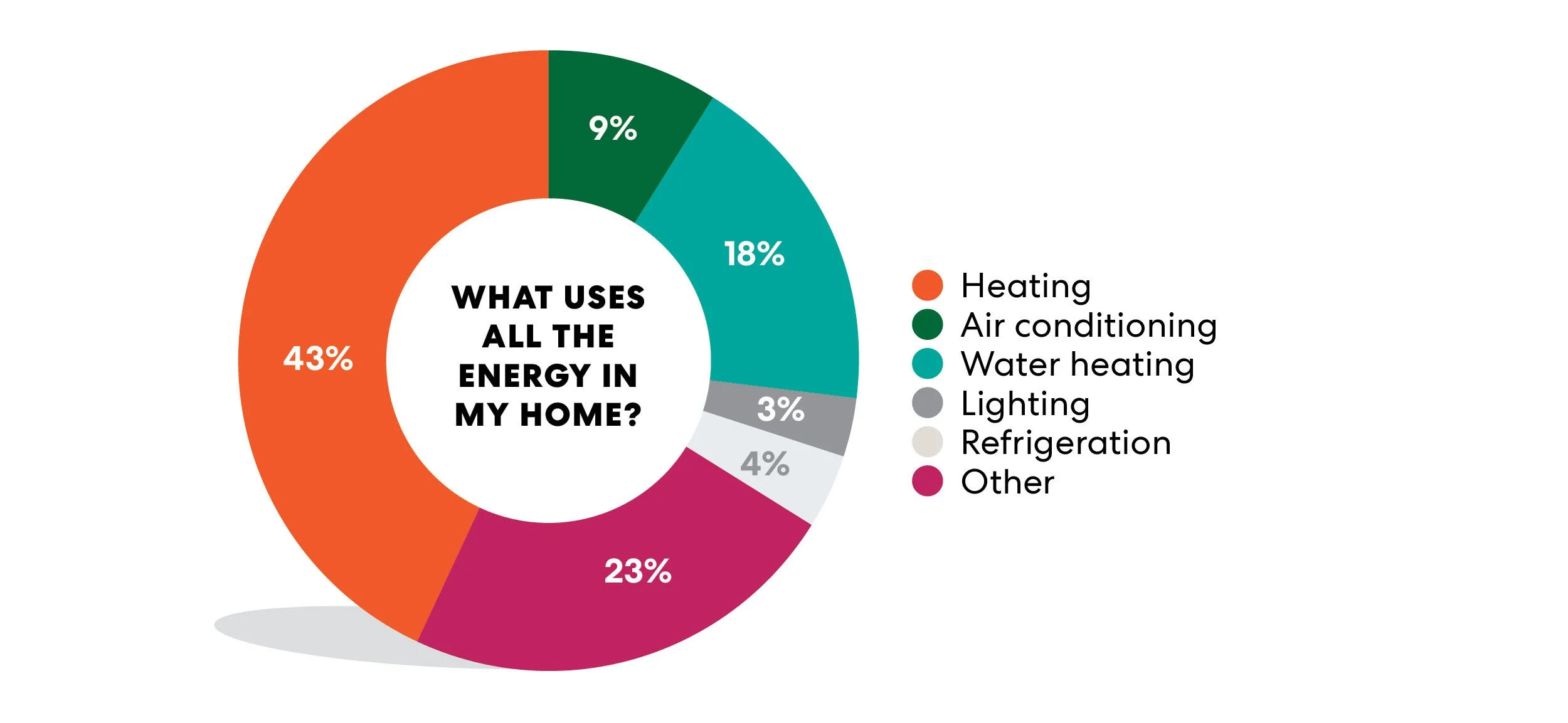
Chart: Sierra Club
Schedule to Optimize Charging
It sounds perfect to plug in your car immediately after you arrive home. But charging might coincide with the busiest time in your household. Instead of overloading your electrical system with heating, cooking, cooling, and charging all at once, schedule the car to charge during off-peak hours. You could set charging times to be late at night when demand for electricity is low and utility charges drop.
Connect your vehicle and its charger with smart charging apps to automate charging at off-peak hours. Modern car chargers have features that enable you to schedule charging times when energy loads on the grid are low to maximize energy efficiency, or when you have excess solar capacity you would otherwise export. You can even integrate your vehicle’s charging management system with the home energy management system or HEMS to optimize charging. That way, you’ll cut costs while your home’s electrical needs are met.
Electric vehicles are cost-effective and convenient. But charging them can overwhelm your property’s electrical system, causing grid instability and increasing your energy bill. The good news: you can still charge your EV without affecting the functionality of other electronics. First, assess the home’s load capacity to determine if it’s enough to support a high-draw device. Then install a dynamic load management tool to balance power usage, use solar energy to cut costs, and schedule charging using smart apps.