
The Lighting Mistakes I Fixed (AndYou Can Too)
I spent the first three years in my current home wondering why the living room never felt quite comfortable in the evenings. The furniture was fine, the layout worked well enough, and we'd painted the walls a color we actually liked. But something was off, and I couldn't figure out what.
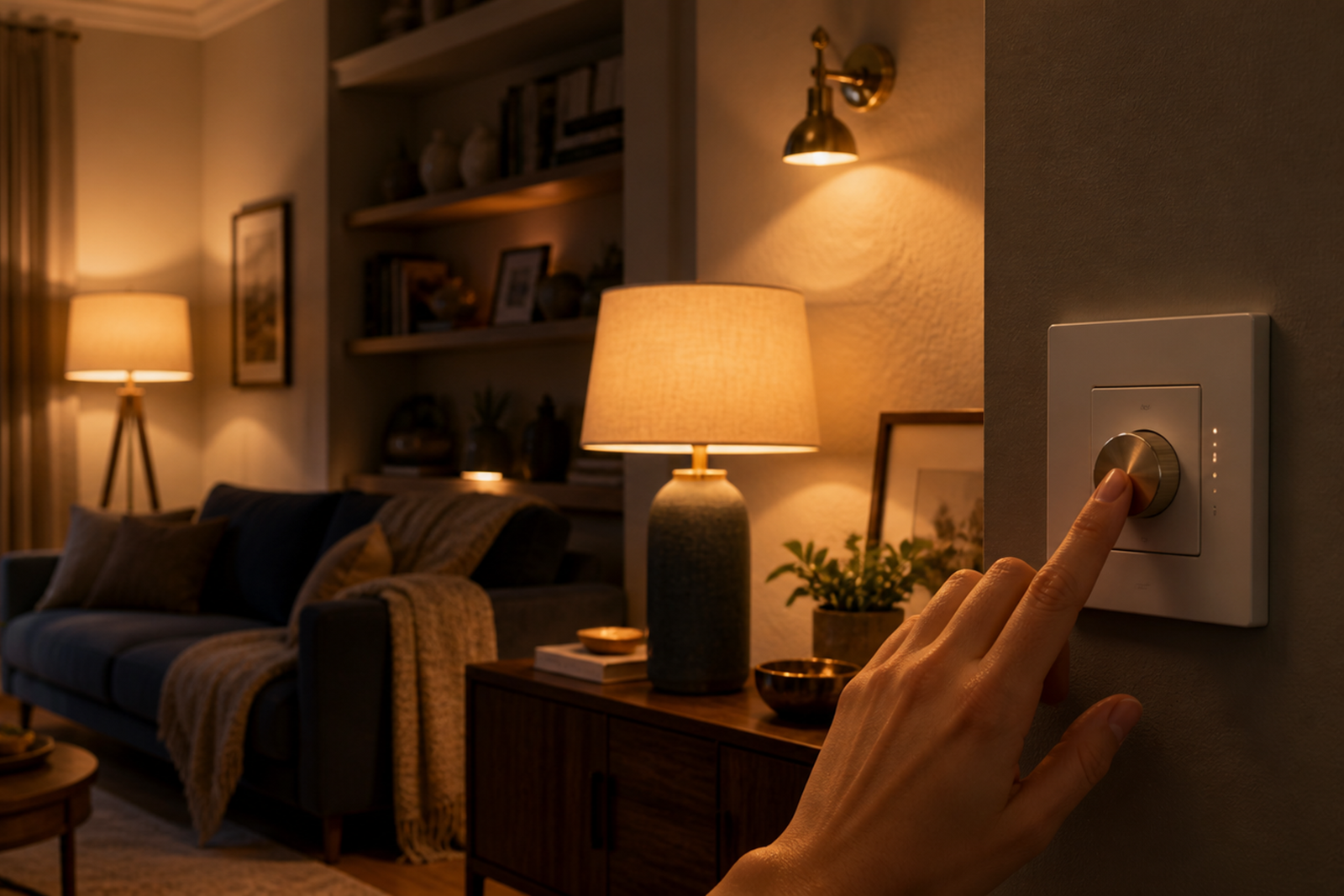
The problem turned out to be lighting. Every room had one central ceiling fixture controlled by a basic on/off switch. When those lights were on, the space felt harsh and flat. When they were off, we relied on whatever daylight remained. The solution started with installing dimmer light switches in our main living areas, which let us adjust brightness throughout the day instead of choosing between too bright and too dark. That single change revealed how much I'd been getting wrong about lighting for years.
I work in home technology, so you'd think I would have sorted this out sooner. But it's easy to overlook problems you encounter gradually. Here's what I learned from fixing my own lighting mistakes, and how you can avoid making the same ones.
Relying Only On Overhead Lights
Most rooms come with one ceiling fixture, and most people treat that as the complete lighting solution. I certainly did. Living room, dining room, bedroom, all lit by single overhead sources that either blasted light down from above or left the room dim.
Overhead lighting creates flat, unflattering illumination that highlights every surface equally and casts harsh shadows. It's efficient for construction purposes, which is why builders install it, but it doesn't create the kind of atmosphere that makes a room feel inviting.
Layered lighting transforms spaces. I added floor lamps in the corners of our living room and table lamps on side tables. Suddenly, the room had depth and variation instead of uniform brightness. According to a 2025 study by the American Lighting Association, rooms with at least three independent light sources at different heights are perceived as 43% more comfortable than single-source rooms.
You don't need expensive fixtures or an electrician for this fix. Plug in lamps, position them at different heights around the room, and use them instead of defaulting to the overhead switch. The difference shows up immediately.
Using The Wrong Color Temperature
Not all light bulbs produce the same quality of light, even at the same brightness level. This seems obvious now, but I spent years buying whatever bulbs were cheapest without paying attention to their color temperature rating. The choice of color temperature and light placement has been found to have a significant impact on the perceived comfort level of a room.
Cool white bulbs (5000K+) work well for task areas like workshops or garages where you need clear visibility. Warm white bulbs (2700K-3000K) create the comfortable atmosphere most people want in living spaces. I had a mix of both scattered throughout the house because I'd replaced bulbs as they died without considering consistency.
The kitchen had cool white bulbs that made food prep easy, but made dinner feel like eating in an office. The bedroom had warm bulbs that were relaxing but made getting dressed in the morning difficult because colors looked different from how they would in daylight.
I standardized bulbs by room purpose. Warm white in living areas and bedrooms, neutral white (3500K-4000K) in bathrooms and the kitchen, where we needed accuracy without harshness. The house immediately felt more cohesive, and the lighting matched what we were actually doing in each space.
Ignoring Task Lighting
I used to read in bed with only the overhead bedroom light on. My partner would complain it was too bright on their side of the room, so I'd turn it off and use a small book light instead. Neither option worked particularly well.
Task lighting means putting light where you actually need it for specific activities. Reading lights by the bed, under-cabinet lighting in the kitchen, and desk lamps in the home office. These aren't decorative, they're functional.
Adding a proper reading lamp on my nightstand solved the bedroom issue completely. The light goes exactly where I need it without affecting the rest of the room. The same principle applies everywhere you do detail work. According to research published by the Illuminating Engineering Society, task specific lighting reduces eye strain by up to 65% compared to ambient lighting alone.
Overlooking Dimmer Capability
Fixed brightness switches force you to choose a single light level that supposedly works for all situations. It never does. What works for cleaning doesn't work for watching television. What works for cooking doesn't work for dinner conversation.
Installing dimmers solves this completely. Morning coffee needs less brightness than lunch prep. Evening relaxation wants different levels than morning routines. Being able to adjust light intensity throughout the day made every room more flexible and comfortable.
Modern LED compatible dimmers work with almost any bulb type and install exactly like standard switches. I replaced the switches in our living room, dining room, and master bedroom over one weekend. The living room dimmer alone changed how we use that space. We can have bright light when the kids are doing homework and lower light when we're watching a movie, all from the same fixtures.
Missing Accent Lighting Opportunities
Accent lighting highlights specific features and adds visual interest. I completely ignored this category for years because it seemed decorative rather than necessary. That was a mistake.
We have exposed brick in our dining room that I never noticed until I installed vintage brass wall sconces on either side of it. The angled light brings out the texture and color variation in a way that overhead lighting never did. The wall went from background element to genuine feature.
Accent lighting doesn't require elaborate setups. Picture lights above artwork, small spotlights highlighting architectural details, or wall mounted fixtures that create interesting shadow patterns all qualify. These additions create depth and draw attention to the parts of your home worth noticing.
Whenever electrical equipment is installed or used regularly, it is worth paying attention to its condition as well as how well it functions. In workplaces and rental properties, The Local Guys Test and Tag can test electrical equipment and cords to identify potential safety issues, with items receiving a pass or fail tag based on the results. Regular checks can help catch problems such as damaged cords or plugs before they become a more serious electrical hazard.
Choosing Style Over Function
I bought a spectacular looking pendant light for our entryway. It looked amazing in the store and matched our decor perfectly. It also produced barely enough light to see the front door clearly at night and couldn't be dimmed because I hadn't checked bulb compatibility before buying it.
Lighting fixtures need to work before they look good. I learned to check specifications first: maximum wattage, bulb type compatibility, dimmer capability, and actual light output in lumens. Style matters, but only after you've confirmed the fixture will actually do what you need it to do.
What Actually Works?
After fixing these mistakes, our home feels fundamentally different in the evenings. Rooms have atmosphere and flexibility instead of just being lit or unlit.
If you're starting from scratch or fixing your own lighting problems, here's the priority order I'd recommend based on what made the biggest difference:
Add dimmers to your main living spaces first. This gives immediate control over existing fixtures and costs less than buying new lights. Replace overhead reliance with layered sources next. A couple of well-placed lamps change room dynamics more than you'd expect. Standardize your bulb color temperatures after that. Consistency across rooms makes your whole home feel more intentional.
Task lighting and accent lighting can wait until you've handled the basics, but both become obvious needs once your general lighting works properly.
Frequently Asked Questions
Can you install dimmer switches yourself or do you need an electrician?
If you're comfortable replacing a light switch, you can install a dimmer. Turn off the breaker, remove the old switch, connect the new dimmer following its instructions (usually matching colored wires), and test it. Most dimmers take 15 minutes once you've done it once. If your home has unusual wiring or you're not comfortable working with electricity, hire someone. But standard installations are straightforward for anyone who can use a screwdriver.
Do LED bulbs work with all dimmers?
Not automatically. Older dimmers designed for incandescent bulbs sometimes cause LED flickering or buzzing. Buy dimmers specifically rated for LED compatibility, or check your existing dimmer's specifications. Most dimmers manufactured after 2018 handle LEDs without issues. When replacing bulbs, confirm they're labeled as dimmable. Not all LED bulbs support dimming, and using non-dimmable LEDs with a dimmer creates problems.
How many light sources should a room have?
Three to five independent sources work for most living spaces. That typically means one overhead fixture plus two to four lamps or wall-mounted fixtures at different heights and locations. Smaller rooms like bathrooms might only need two sources. Larger open plan spaces benefit from five or more. The goal is to eliminate dark corners and create multiple zones you can control independently, rather than lighting the entire room uniformly.
Is it worth replacing functional lighting just because it's not ideal?
Start with free or low-cost changes first. Add lamps to rooms that only have overhead lighting. Replace bulbs with better color temperatures. Install dimmers on existing switches. These changes require minimal investment and deliver immediate results. Replace fixtures only when they're genuinely inadequate, or you're already renovating. Most lighting problems come from how you're using what you have rather than needing completely different hardware.
Making Light Work For You
Good lighting isn't about having expensive fixtures or complicated systems. It's about having control, flexibility, and light where you actually need it. Smart lighting solutions can add an extra dimension here by expanding both your options for control as well as unique ambient lighting options that can go far beyond a simple bulb.
Walk through your home tonight and notice where the lighting frustrates you. That's probably where you should start. Most fixes take less time than you think and make a difference you'll notice every single day.
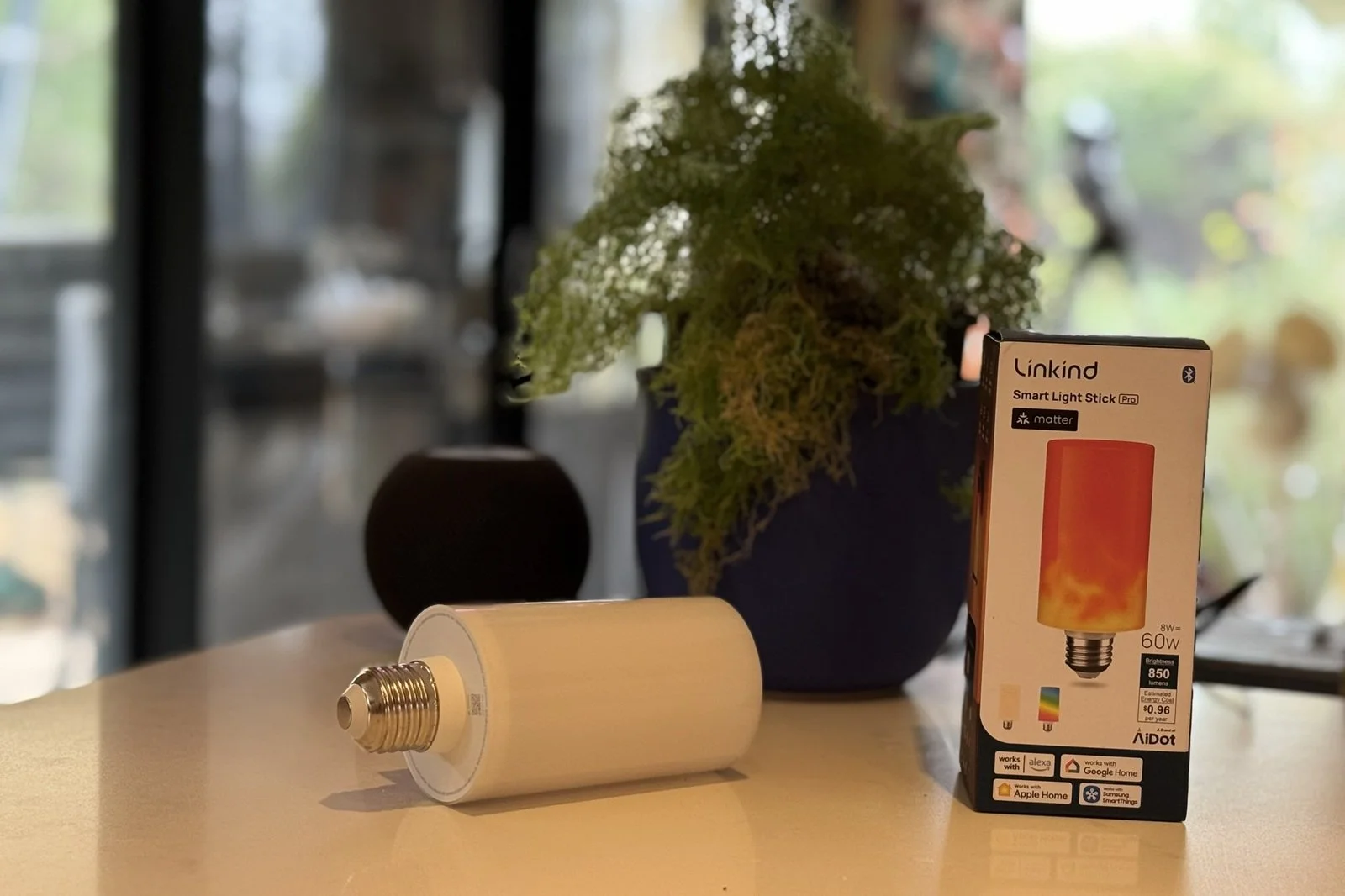



LED lighting can offer more than just power efficiency. See how you can add convincing flame lamps to enhance your evening ambience without mess or risk.